


 Save 27%
14 hoursFrom Delhi
Private Taj Mahal at Sunrise and Agra Day Tour from Delhi
Watch the Taj Mahal glow at first light on a private same-day tour from Delhi, with Agra Fort and breakfast included.
$135$98/ person
Most Agra tours are booked and run out of Delhi, by operators who've never actually lived in the city. We're not one of those — Tourinza is based in Tajganj, a few minutes' walk from the Taj Mahal's east gate, and our guides live in Agra rather than commuting in for the day.
That matters for the ordinary, practical reasons: same-day changes get a same-day answer, a guide who's free that morning rather than one dispatched from another city, and local knowledge of which gate is quiet, which restaurant is actually good, and which "hidden gem" is worth the detour and which isn't.
The nine tours on this page cover every reasonable way to see Agra — sunrise and same-day Taj Mahal visits, Agra Fort and the Baby Taj, train-based day trips from Delhi, and walking routes through the old city that most visitors never hear about. Pick a starting point below, or read on for the practical detail — how many days you actually need, when to go, and how to get here.
11 private tours in this collection
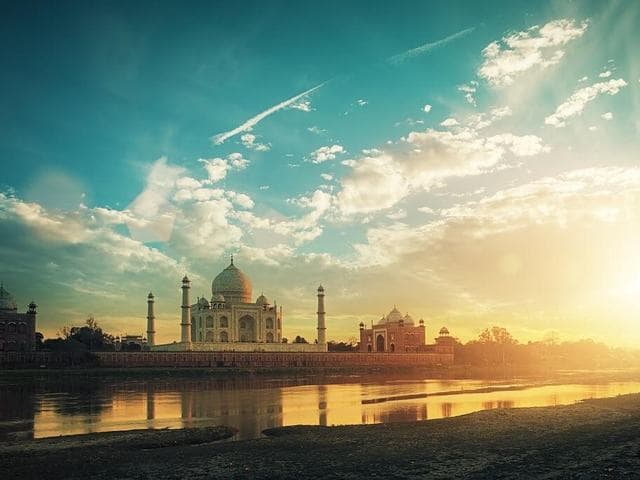
Agra is built around four real reasons to visit, and most trips only make time for the first: the Taj Mahal itself, Agra Fort's much larger red-sandstone complex, the smaller and less-visited Itimad-ud-Daulah tomb (the "Baby Taj"), and Mehtab Bagh, the garden across the river with the best sunset view of the Taj Mahal there is. The tours below cover all four, plus the old-city walking routes that most day-trippers from Delhi never see at all.
Fatehpur Sikri, the abandoned Mughal capital about 40 minutes outside Agra, is a fifth stop worth knowing about even though it's not one of our nine core tours — it's the kind of place that's easy to bolt onto a longer Agra day if you ask, but too far out of the way to fit into a standard same-day trip from Delhi without cutting the Taj Mahal itself short.
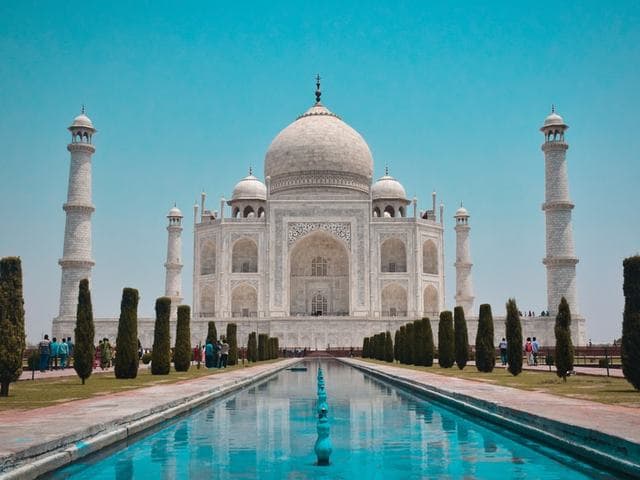
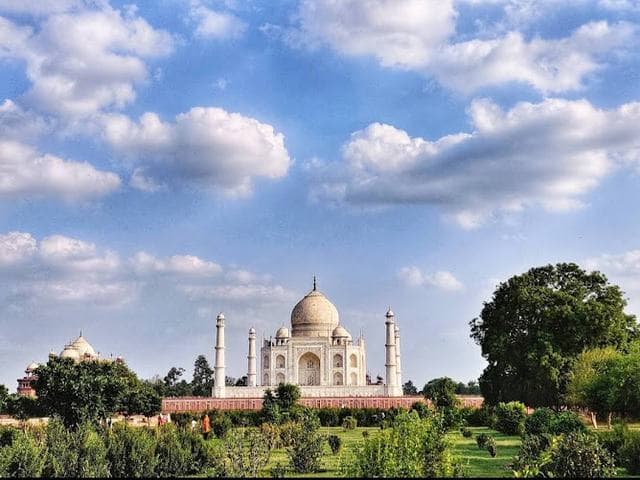
The core reason most people come to Agra at all. A sunrise departure beats the crowds by a couple of hours; a same-day trip works if sunrise isn't realistic for your schedule.
Already in Agra and just want the visit sorted? Two options start at the Taj Mahal itself. The skip-the-line ticket with guide is a full two-to-three-hour guided visit, with Agra hotel pickup and Agra Fort available as add-ons. The ticket booking is the simpler one: we book your official entry ticket — with or without the main mausoleum — and a licensed guide meets you at the gate at no extra charge. Both skip the ticket counter; the Taj Mahal is closed on Fridays.
Agra Fort is a fifteen-minute drive from the Taj Mahal and, unlike the Taj, you can actually walk through its interior — courtyards, palaces, and the tower where Shah Jahan spent his final years imprisoned by his own son, looking out at the monument he'd built. Itimad-ud-Daulah, the "Baby Taj," is smaller, quieter, and — some visitors think — a genuine preview of the marble inlay style the Taj Mahal later perfected at scale.
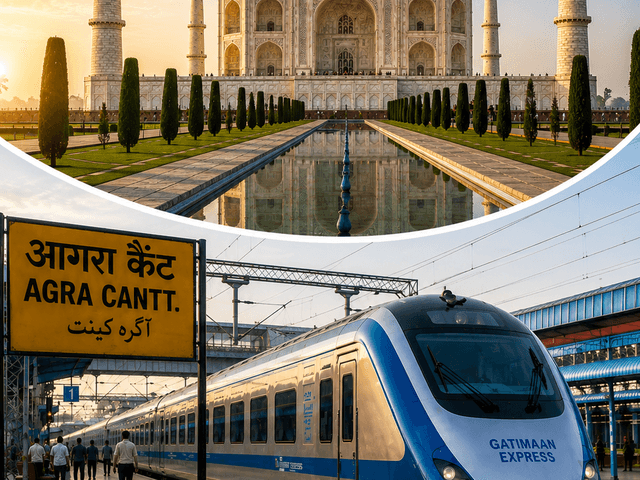
The Gatimaan Express covers Delhi to Agra in about 100 minutes — India's fastest train — with a guide and car waiting at Agra Cantt station on arrival, so the train is just the fastest leg of the day, not the whole plan.
It's the option we'd recommend if a road trip isn't appealing: no traffic through the Delhi-Agra corridor to sit in, a fixed and predictable arrival time, and a seat that's more comfortable than a car for two hours each way. The trade-off is a fixed departure time rather than the flexibility of a private car, and a short walk between the platform and where your guide is waiting.
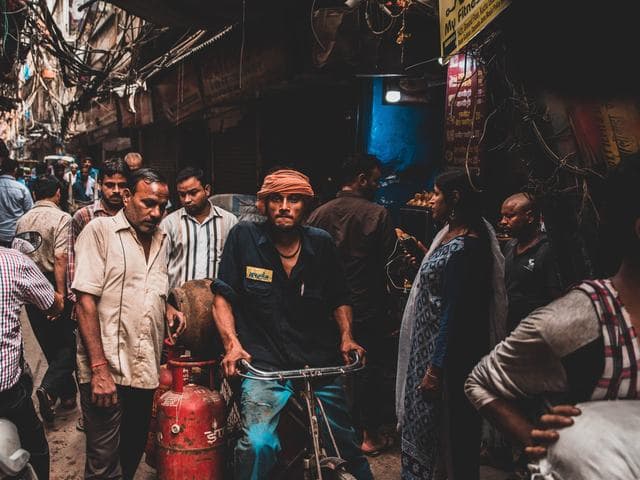
Agra beyond the monuments: local city life, the old quarter's marble-inlay workshops (the same craft used on the Taj Mahal itself, still practised by descendants of the original artisan families), and the Mughal-era charbagh gardens across the river — including Mehtab Bagh, the best sunset viewpoint in the city.
Most visitors reach Agra from Delhi rather than staying in Agra itself — by private car, by train, or occasionally by flight if arriving from further afield. Our full comparison covers timing and cost for each option in detail.
A single day covers the Taj Mahal and Agra Fort comfortably, which is why the same-day trip from Delhi is by far the most common way to visit. Two days lets you add the Baby Taj, Mehtab Bagh at sunset, and an unhurried walk through the old city — worth it if Agra is a real stop on your trip rather than a box to tick on the way through.
Three days is really only worth it if you're pairing Agra with a wider Rajasthan or Golden Triangle itinerary and want Agra itself to be an unhurried leg rather than a single packed day — most independent travellers we talk to end up somewhere between one full day and one overnight stay, not longer, since the core sights genuinely don't take a week to see properly.
October through March, for the same reason it's the right window across northern India generally: daytime temperatures that make walking around Agra Fort or standing in the Taj Mahal's queue tolerable, rather than the 40°C-plus heat of an April-to-June trip. Sunrise is worth planning around year-round, independent of season — it's the single biggest lever on crowd size at the Taj Mahal specifically.
December and January bring occasional morning fog that can delay a sunrise visit by an hour or so — worth building a little slack into the schedule for, rather than a reason to avoid winter altogether, since the cooler daytime temperatures are still the better trade. Monsoon months (July–September) are quieter and greener than the brochures suggest, if humidity and the odd afternoon downpour don't bother you.
Most Agra tours are sold by Delhi-based agencies who subcontract a local driver and guide for the day — which usually works fine, but it means the person you're actually talking to before your trip has never walked the route themselves. We're the reverse: our office is in Tajganj, our guides live in Agra full-time, and a same-day request — a later start, an added stop, a change in group size — gets answered by someone who can walk over and check, not someone relaying a message to another city.
It also shows up in the small decisions that a subcontracted guide doesn't have the standing to make: which entry gate has the shorter queue that morning, which marble-inlay workshop is worth ten minutes and which is a fixed commission stop, and how to adjust the day when a monument closes for an unannounced VIP visit — something that genuinely happens at the Taj Mahal a few times a year, and that a local operator hears about before a Delhi-based one does.
One full day covers the Taj Mahal and Agra Fort comfortably, which is why a same-day trip from Delhi is the most common way to visit. Two days adds the Baby Taj, Mehtab Bagh at sunset, and time in the old city without rushing.
Yes — Agra Fort alone is a genuinely large, walkable complex distinct from the Taj Mahal, and the Baby Taj and Mehtab Bagh are both quieter, less-visited sites most day-trippers skip entirely. The old city's walking routes and marble-inlay workshops are a different experience again from any of the monuments.
Yes — it's the most common way to visit, by private car (roughly 3 to 3.5 hours each way via the Yamuna Expressway) or by the Gatimaan Express train (about 100 minutes each way). See our full comparison of the options for timing and cost.
A locally based operator's guides live in Agra rather than being dispatched from another city, which means faster answers to same-day changes and genuine local knowledge — which gate is quiet that morning, which workshop is worth the stop — rather than a generic itinerary run by whoever's available.